
Practical guides for heat exchanger selection, operation and maintenance.
What is a plate heat exchanger and how does it work?
Explore the plate pack, two separate circuits and heat transfer with single-pass and multipass animations.
ARASTA · TECHNICAL KNOWLEDGE
Practical guides for heat exchanger selection, operation and maintenance.
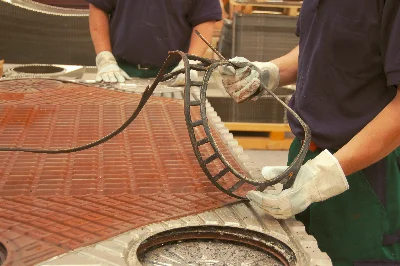
WHERE TO START
Explore the operating principle with animated flow paths.
Explore the plate pack, two separate circuits and heat transfer with single-pass and multipass animations.
Start with the fluids and operating requirements, then compare equipment families.
Prepare the operating data and equipment records before requesting a quotation.
Compare heat duty together with the temperature programme and hydraulic conditions.
Consider the plate and joining material as separate parts of the compatibility review.
Distinguish particle size, fibres and viscosity when defining the application.
Turn an operating complaint into a consistent set of measurements.
Compare pressure measurements under equivalent operating conditions.
Match the available heat source to a real demand before estimating savings.
Prepare for a cleaning discussion using the equipment and deposit information.
Identify the equipment and operating conditions before specifying parts.
Keep equipment identity, operating conditions and service work together.
Separate the present operating problem from a future change in duty.
Define the product and thermal duty within the complete processing line.
Describe clear, pulpy and concentrated products separately.
Define material, cleaning and acceptance requirements before purchase.
Define the circuits, temperature programme and hydraulic requirements.
Review the duty, fluids and equipment limits for the selected model.
Understand the DN350 model, its application context and the information needed for selection.
FROM THE ARCHIVE
Read the technical context while preserving the original announcement dates.